The Question That Started My Second Bloom
People often talk about finding yourself in midlife. I’ve been wondering whether that’s actually possible.
To find myself, wouldn’t I first have to know who I am?
The older I get, the more I question the idea that there is some fully formed version of ourselves waiting to be found. If she exists, I certainly haven’t met her yet. What I have found are pieces.
At sixteen, I was quiet, insecure, ambitious, and eager to be loved. I longed for healthy relationships and safe adults who cared for me without needing me to care for them.
In my twenties, I worried about money, finishing college, and getting into law school. I wanted success, whatever that meant. I wanted love. I wanted to build a life that felt stable and meaningful.
In my thirties, I focused on building a career and distinguishing myself professionally. At the same time, I longed to become a mother and create a family of my own.
In my forties, life became more complicated than I ever imagined. My husband and I adopted two children with mental health challenges. Much of that decade involved navigating uncertainty, advocating, supporting, and trying to help our family find its footing. More than anything, I wanted normalcy.
By my fifties, the questions shifted again. Was I being a good mother? A good wife? Would my children be okay? Would our family survive the challenges we faced? What I wanted most suddenly seemed remarkably simple:
Peace. Quiet. Joy. Love. Time with my husband.
Room to breathe and think. Connection. Safety.
Looking back, I see that while my circumstances changed from decade to decade, the longing beneath them hardly changed at all. I wanted love and a life that felt peaceful, connected, and secure.
For years, I believed those things waited on the other side of enough achievement, solving enough problems, and helping enough people.
Midlife is teaching me something different. Peace comes from learning which problems are mine to solve.
Somewhere along the way, I stopped pursuing peace and started trying to earn it. If solving problems led to peace, then I became very good at solving problems.
Give me the difficult assignment. The family crisis. The unexpected curveball.
I step in. I solve problems. I stay.
That instinct still lives in me.
A few weeks ago, a legal question landed on my desk. I researched, wrote, revised, rewrote, and edited for more than twenty-four hours. I slept three hours, woke up, made more edits, and finally sent my advice.
I wasn’t just solving the problem. Over that timeframe, I became it.
At home, I approached life the same way.
When our son was unexpectedly discharged from residential treatment after eight months, I spent sixteen straight hours researching wilderness programs, completing applications, and arranging his transfer. Three days later, he was hiking through Utah’s Uinta Mountains, and I was back in the office as though nothing extraordinary had happened.
As a mother, I consumed parenting books, highlighted pages, listened to experts, and stayed up far later than I should have, convinced the next insight might change everything.
I didn’t just raise my children. Their struggles became my own.
I lost myself not because I lacked resilience. I lost myself because I confused resilience with self-sacrifice.
For years, I believed strength meant carrying more.
Now I am beginning to understand that true strength means carrying what is mine without carrying what isn’t.
Recent events involving my son brought that realization into sharper focus than I expected.
Like many parents of struggling young adults, I have spent years worrying, helping, guiding, advocating, rescuing, researching, supporting, and hoping. I don’t regret any of it. I would do it again.
The work I’ve done over the last few years around boundaries, acceptance, gratitude, emotional regulation, and focusing on what I can control has gradually changed me.
Recently, I found myself holding a difficult boundary. Not because I don’t love my son. I do, deeply.
I held it because it was the right boundary.
As I practiced acceptance and resisted the urge to manage outcomes that weren’t mine, something unexpected happened.
Space opened.
The worry no longer filled every corner. The constant problem-solving quieted.
In that unexpected space, a different question emerged. Not, “How do I help him?” Not, “What should I do next?” Not, “How do I fix this?”
Instead, I started asking, “Who am I becoming?”
That question led me down an unexpected path.
At first, I thought I was searching for the woman I used to be. The more I reflected, the less sense that made.
I am not sixteen anymore. I am not the woman I was in my twenties, thirties, or forties. I don’t want to be any of them.
Each season of my life molded me, but none of them defined me.
I am a lawyer. An executive. A wife, mother, and caregiver. I am a coach and a mentor. An advocate. A sister, aunt, and friend.
None of those roles pulled me away from myself. They shaped the woman I am becoming. They strengthened and humbled me. They expanded my perspective. They taught me courage, resilience, compassion, and grace. Most importantly, they helped me become the woman writing these words.
Perhaps a Second Bloom is not about returning to who we once were. I think it is about gathering every version of ourselves that has existed along the way and allowing them to become something whole. Not perfect. Whole.
Today, I like who I am becoming.
Wiser.
Calmer.
More confident.
More assertive.
More adventurous.
More comfortable in my own skin.
Not because life has become easier. It hasn’t.
I still love my children deeply. I still feel the pull to step into their struggles.
The difference is that I no longer become every problem, crisis, or struggle that enters my life. For the first time in a very long time, I finally have room to become myself.
That, for me, is the beginning of a Second Bloom.
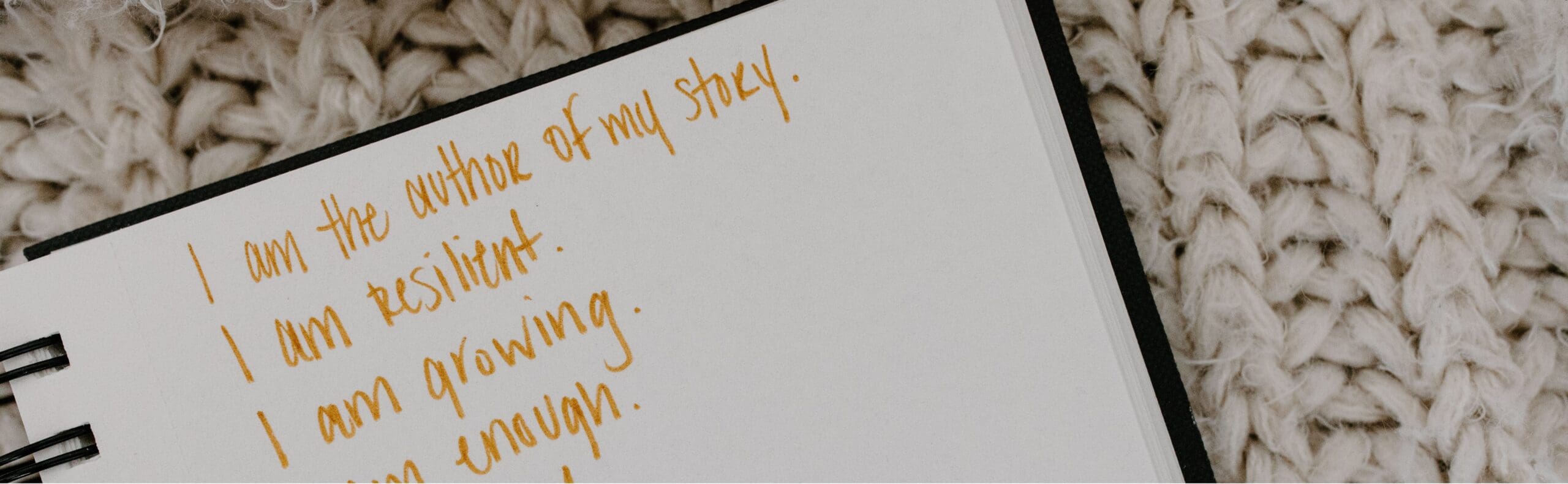
Journal Reflection
Take a few moments to reflect on the different versions of yourself that have existed throughout your life.
- Who were you as a teenager?
- Who were you in your twenties?
- Your thirties?
- Your forties?
- Who are you today?
What did each version of you fear?
What did she long for?
What lessons did she leave behind?
Notice what changed.
Notice what remained.
Then ask yourself:
What have I been reaching for all along?
And perhaps the most important question of all:
Who am I becoming?


PLEASE COMMENT BELOW